


Thorough assessment of your farm’s current performance to identify practical improvements backed by science.
Understanding where your farm stands today is the foundation for long-term improvement. Our evidence-based evaluation provides a comprehensive examination of your operation, assessing animal health records, productivity metrics, and management practices through the lens of veterinary science.
We don’t rely on assumptions or quick fixes. Instead, our qualified veterinary professionals conduct systematic assessments that reveal the real drivers of performance on your farm. This includes analysing herd health data, reviewing nutrition programmes, assessing housing conditions, and evaluating biosecurity measures.
What sets our approach apart is the integration of traditional veterinary knowledge with current research on modern food production and regenerative farming practices, including regenerative livestock farming, regenerative cattle farming and regenerative sheep farming. We examine how reducing dependence on external inputs can actually improve both animal welfare and farm profitability. This includes exploring chemical-free livestock farming methods and the benefits of pasture-raised livestock for long-term resilience.
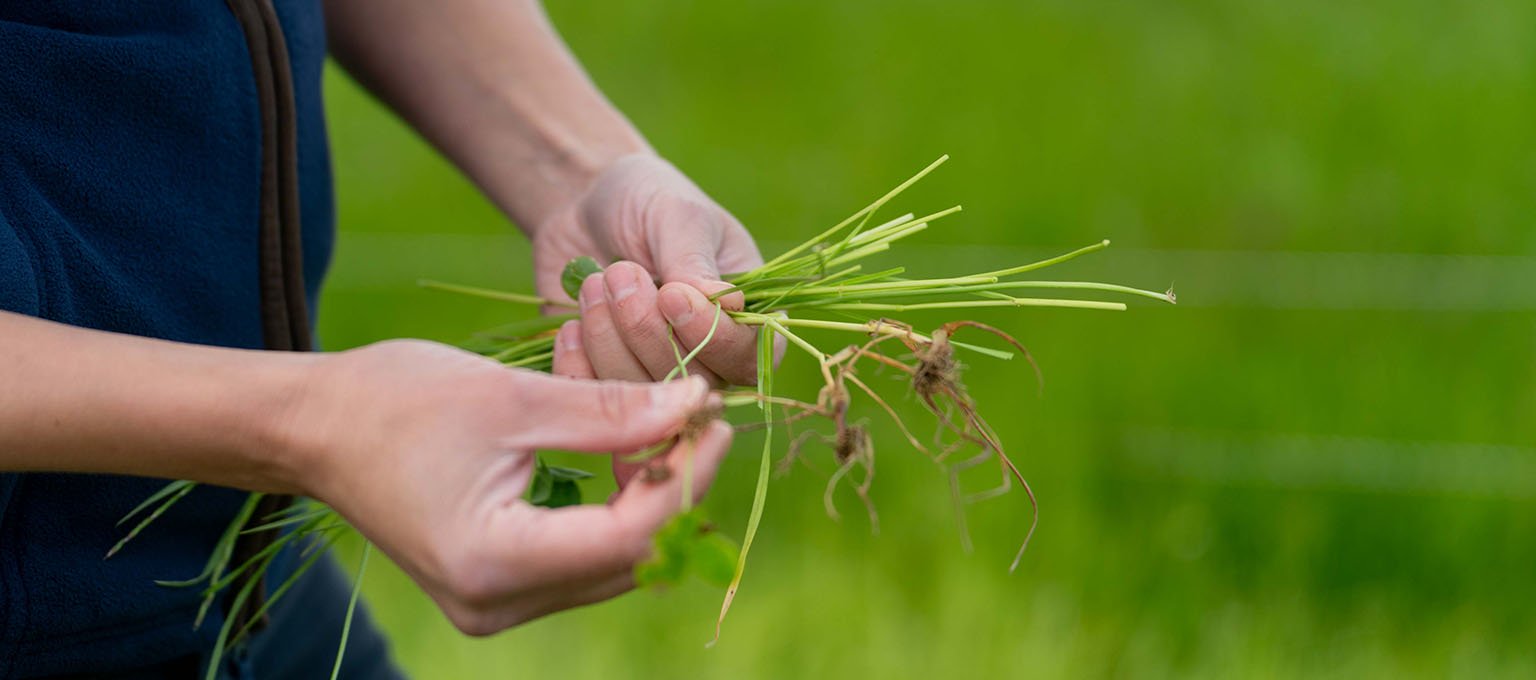
Each evaluation produces a clear picture of your farm’s strengths and identifies specific areas where targeted changes can deliver measurable benefits. We may also recommend adopting rotational grazing practices to support productivity and improve land-use efficiency. We prioritise interventions based on their potential impact and feasibility, ensuring you can implement improvements step by step, at a pace and a cost base that suits you.
Our evaluations are especially relevant for farms pursuing grass-fed beef regenerative systems, or shifting towards low-input livestock approaches. Our assessment process is designed to build trust through transparency. You’ll receive detailed findings that explain not just what needs attention, but why these areas matter for your land, your animals’ health and your business’s long-term success.
We examine how reducing dependence on external inputs can actually improve both animal welfare and farm profitability.


