Beat the Heat, Part One

AUTHOR: Colin Mason
BVM&S BSc Cert CHP MRCVS
Heat stress is no longer an occasional summer problem for UK dairy herds. As warmer, more humid conditions become the norm, understanding how heat stress affects cow health, fertility and performance is essential for future-proofing dairy systems. In the first of a three-part series, Ruminant Revival vet-consultant Colin Mason defines the challenges facing today’s farmers.
Forward planning is always hard. However, given significant challenges facing UK dairy systems in the coming years, managing the effects of heat stress on cows must be a top priority.
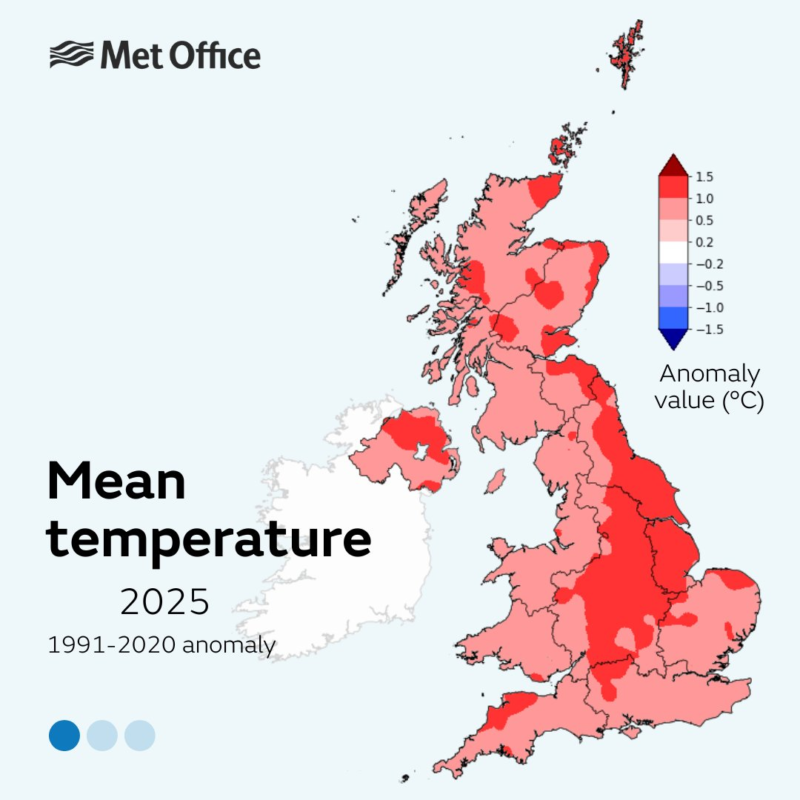
Few would dispute that the effects of climate change are real, with warmer summers and more extreme weather events now to be expected. If we do not react and change as an industry, we can expect more issues with cow health, fertility, mastitis, lameness and performance in the summer months as a matter of course.
Heat stress is more than just hot summer days
We all recognise the individual hot days in high summer and cows seeking shade and water, but the greater and more insidious cumulative effects of heat stress occur in late spring and early autumn. Warm, yes (but not hot) and certainly humid.
There are two sides to heat stress for our cows, one is the environmental conditions they experience, and the other is getting rid of the significant amounts of heat that the cow, or more specifically the rumen, generates.
Understanding THI and the UK climate challenge
Firstly, from an environmental perspective, the key measure of heat stress potential is the temperature-humidity index (THI). This index recognises that the combination of temperature and relative humidity drives the risk of heat stress in cows. In the UK, it is often the relative humidity that poses the greatest risk.
THI can be tracked in the UK using either shed-mounted monitors or the online resource THI-LIVE. Once the THI reaches the high 50s (easily achieved on an average summer day), it will negatively affect cows. In the mid-60s (around 20°C in the UK), the effects will be more pronounced, and in the 70s, on those hot summer days, the effects will be severe indeed.
Why cows struggle to lose heat
As mentioned above, one of the major challenges is dissipating the heat and moisture that the cow already produces. The rumen and all the microbial digestion within it are like a furnace for a cow. Also, for a cow on a higher fibre ration, rumen fermentation resulting from that produces even more heat. This would apply to dry cows in dairy systems on higher straw rations, with the added challenge that the growing foetus also generates significant heat. The final insult is that heat dissipation costs the cow energy, energy she would be better off using elsewhere. Getting rid of heat can take many hours into the cooler evening period, potentially not fully working at all on hot, sultry summer nights!
The hidden and lasting impacts on health, fertility and performance
So, what effects does this heat accumulation have on the cow?
Heat-stressed cows will eat less, with potential reductions in dry matter intake of 10-30%. Additionally, they shift their feeding pattern, eating more at night, which will increase feeding competition if housed and alter rumen fermentation and function. Rumination rates also drop. This increases the risk of digestive upsets, acidosis, and loss of body condition score. Milk butter fats fall as a result. Infectious disease risk also increases.
It is common to see cows looking for cooler air outside sheds and breathing rapidly. Sixty breaths per minute or more, mouth breathing, and drooling are all indicators of a significant heat-stress challenge for an individual cow. It is unsurprising that the risk of respiratory disease also increases in hot weather.
Hot cows will stand longer to dissipate heat, which increases forces on the feet, particularly the hind feet. It is no surprise that there is a jump in lameness levels in cows in the autumn, because of claw horn disease, 2-3 months after spells of increased standing.
The follow-on from all of this is that expression of oestrus behaviour and heat-detection rates will fall, and if a cow is served, the chances of conception are reduced. Pregnancy rates drop in the high summer months in the UK, with a rebound in the autumn as it cools.
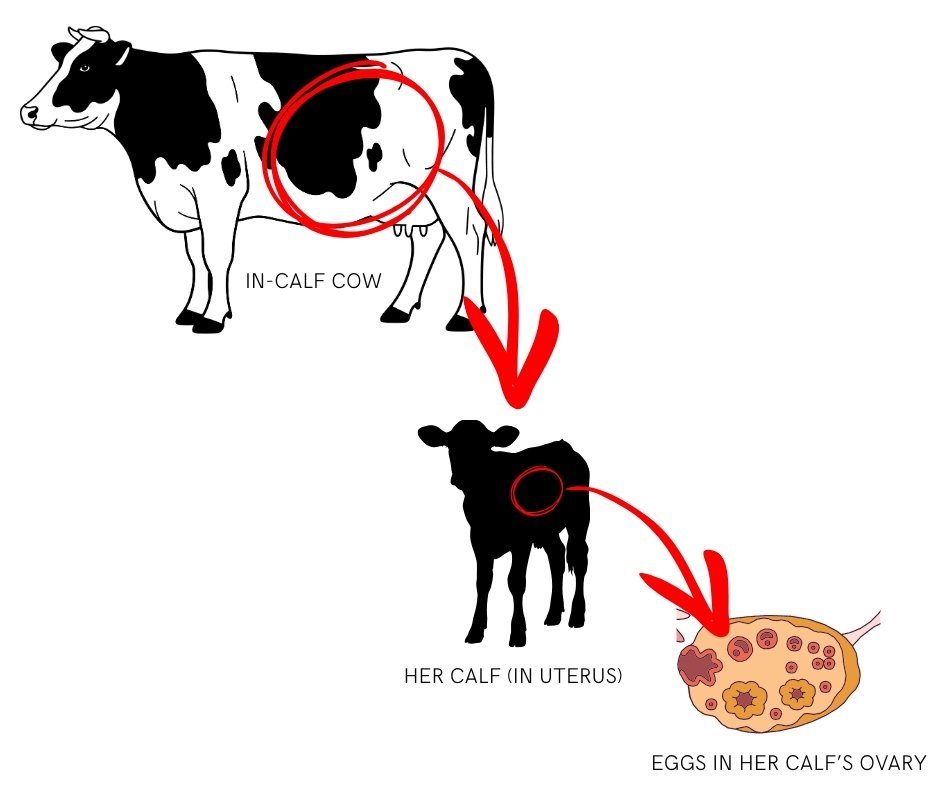
One of the fascinating insights into heat stress in dry cows is that it affects the cow herself, her unborn calf (poorer health outcomes if born to a heat-stressed mother), and the foetus’s ovaries, influencing fertility and performance across three generations of animals. For a dairy herd, the benefits of investing significantly in high-quality genetics and genomics will not be fully realised if heat stress undermines that progress.
So put that all together, and the impacts can be significant, requiring changes to management strategies to be fit for the warmer future our cows will face.
In parts 2 and 3 of this blog, we will examine strategies for grazing and housed cows to mitigate impacts and support a more sustainable future.