Winter Tips - Preventing Cold Stress in Dairy Calves

AUTHOR: Lahra Harcourt-Brown
BSc(Hons) BVM&S MRCVS
With poor fat reserves and lacking the internal temperature regulation to cope with harsh winter weather, dairy calves are susceptible to cold stress. Cold stress leads to excessive energy expenditure and a generally inefficient calf-rearing system.
What can we do about it?
- Get organised – bedding, temperature and wind speed monitors, clean water supply, shelters, jackets or heat lamps at the ready!
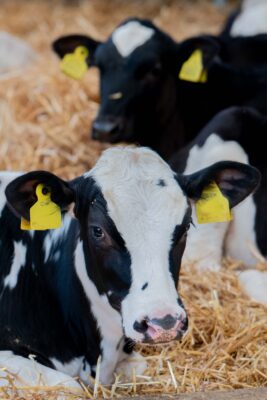
- Bedding – clean, dry and deep straw beds are extremely insulating. When looking at a calf, you should not be able to see the front or back legs, with the calf able to nest and create an insulating layer of trapped warm air around itself. It is important to consider heat loss through concrete floors.
- Eliminate draughts and promote appropriate airflow – cold draughts will keep calves cold. Watch out for calves hugging the walls and huddling up with one another for warmth – this is a sign that there is something wrong.
- Nutrition – consider their energy requirements; they will require more energy to cope with cooler temperatures.
- Water – avoid limiting their intake by providing substandard water. If it isn’t clear enough to drink, clean it.
- Shelter – consider blocking lying areas with bales to promote good shelter; however, ensure these do not become saturated with urine and faeces, which can create a source of infection.
- Enrichment – not exactly cold-weather specific, but don’t forget to keep your enrichments going over winter. Perhaps feed or nesting-based enrichment would be more appropriate. Even though calves may burn energy by engaging in enrichment practices, they are linked with decreased frustration and boredom and are thus overall beneficial for calf health and welfare.
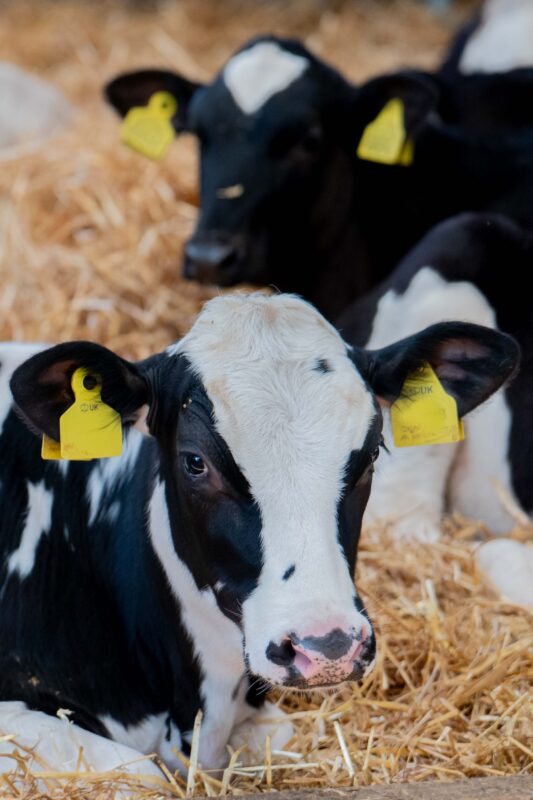
All of these points boil down to your observational skills and instincts when calf rearing. Aim to try and spend time ensuring you are catering for the calf’s welfare and growth needs this winter.
Further reading:
The AHDB offer a useful guide to managing cold weather in calf rearing in their ‘Calf Management Guide’.