Herbal Leys
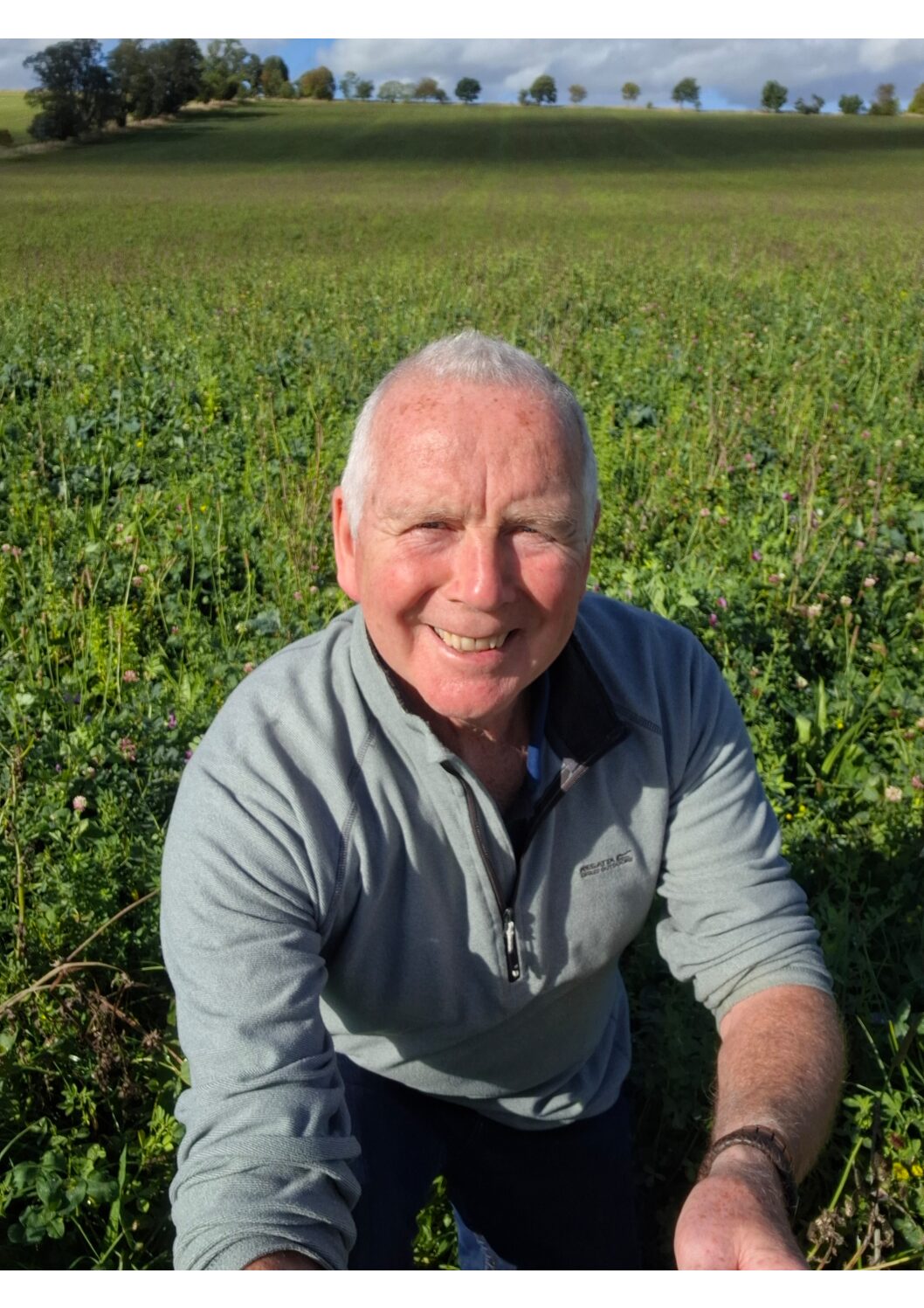
AUTHOR: Mike Haigh
Grass science
Herbal leys are a great tool in the grazing armoury but can be problematic to establish and to maintain. They also do not suit all grazing and silage making systems.
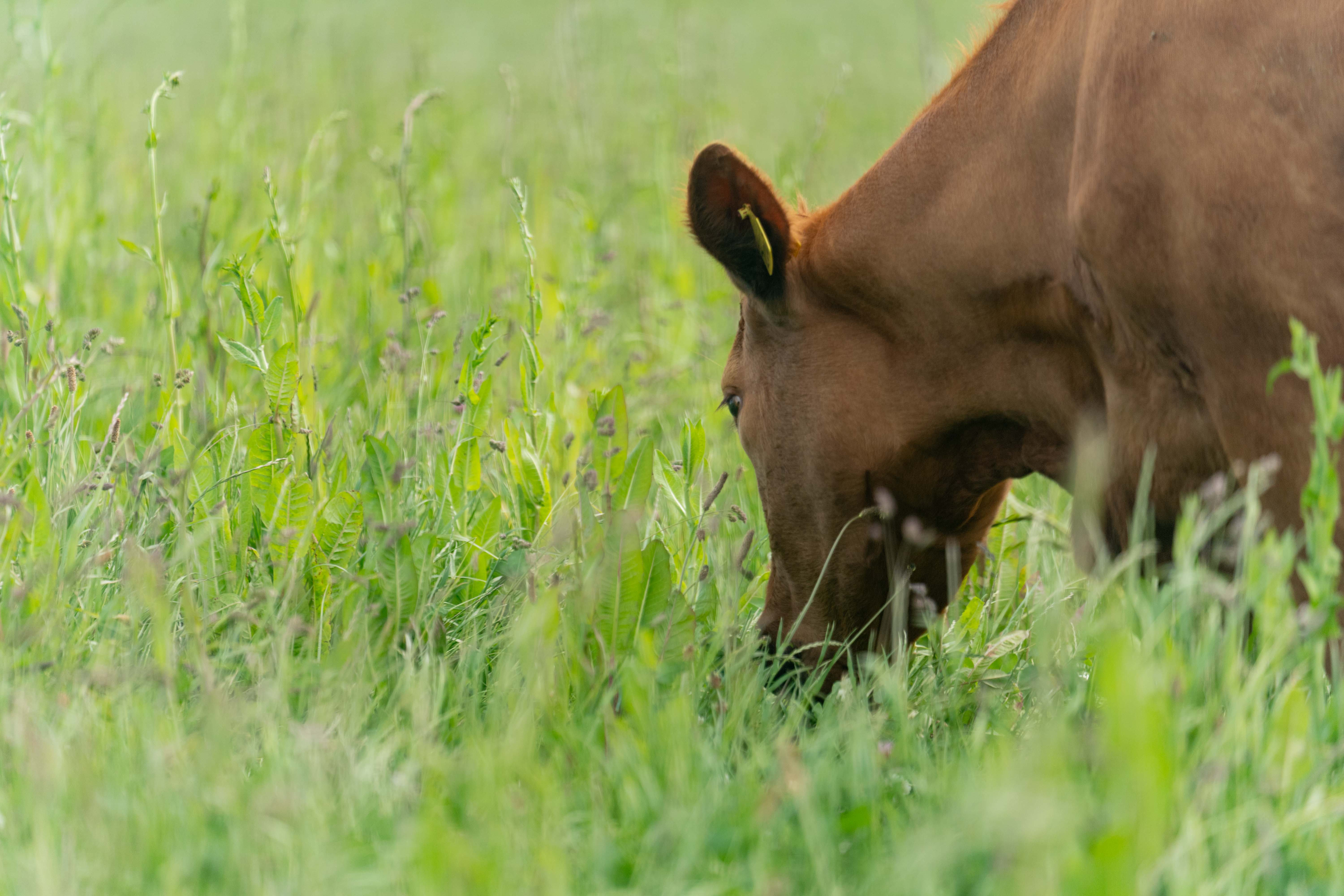
Herbal Leys
Enthusiasts, idealists and preachers will say including many (up to 20) species in a mixture is the best option and to a degree they are correct as diversity improves soil structure and function combined with a healthy nutritious plant spectrum for the grazing animal. However, in my experience costly mixtures stacked with species that are difficult to maintain and disappear from the sward in short order do not help promote the use of herbal leys.
Complex mixtures by design require careful management to ensure longevity. The input required requires a particular mindset born from both experience and a willingness to learn from others, something not everyone is comfortable with but which pays dividends in the long run.
Making a herbal ley work for the ‘first time farmer’ requires the mixture to reflect the farmers expectations of that acreage in a non herbal ley form plus a degree of challenge to make it interesting without being a chore. If the field is required to be grazed and cut for example then choose a simple mixture that firstly meets those requirements but with added legume and herb content. The deep rooting herbs will aid soil aggregation , water movement and access nutrients from lower down the soil profile whilst legume content will help reduce artificial nitrogen usage.
In addition to, for example, white clover additional legume content could be Red Clover, Alsike clover, Balansa clover, Lucerne and / or the inclusion of an annual clover like Crimson clover will increase crop nitrogen fixation in the first year as well as increasing dry matter production.
Herb content can be as simple as 0.25kg / acre each of Plantain and Chicory.
Starting with a smaller acreage will allow the ley to be managed sympathetically to maintain the species mix and gain insight into the potential of treating this crop as rotational as opposed to setstocking.
Preparation for sowing
Start at the beginning before reaching for the end. Basic soil health needs to be established to ensure the viability of seed sown. Examples of the importance of this is checking ph is 6.0 or above to give clover content the best opportunity to survive and ensuring available phosphate and potash levels are sufficient to establish young seedlings. Phosphate is important in root development and is a key component in generating ‘energy’ in the plant with potash being important in water regulation and photosynthesis. I would always do a basic soil test before sowing if you don’t have a recent analysis to refer to .
It also reduces diseases and foot ailments in livestock by giving them access to fresh forage and healthier environments. Moreover, livestock themselves play significant roles in stimulating plant growth and returning nutrients to the soil.
Establishment Methods and Timing
Several methods can be used to establish a herbal ley and success is , as always , best achieved by paying attention to the detail of the method you choose.
Drilling shallowly (0.5 inch) into or broadcasting onto a fine firm seedbed in the Spring is popular as the soil is warming up, moisture is present from the Winter and longer warmer days are ahead. The inevitable encounter with annual weeds can cause serious problems as they will always outcompete the slower establishing herbs and legumes and you can’t spray to control the weeds. Topping larger weeds is an option but timing is problematic and you may end up
creating a mulch on top of your desired species. Using this method late Summer / Autumn to my mind is more appropriate and distances your herbal ley from the full effect of annual weeds as they are less vigorous later in the year.
Spraying off an existing poor performing sward and direct drilling is a less invasive method but care should be taken to ensure a shallow drilling depth with seed placed as near 0.5inch (10-12mm) below the surface as possible. Too many crops fail because seed is drilled too deep and the seedling runs out of energy before making an appearance or is simply buried in the dark never to be seen again. Uneven ground surfaces will require compromise but err on a shallow average depth rather than trying to bury all the seed. Double drill at half seed rate if possible.
Overseeding or stitching in a legume and herb mixture into an existing grass sward using a harrow/airseeder/roller combination ( various incarnations available) is a way of reducing establishment cost. Ensure there is adequate bare soil for the broadcast seeds to come into contact with. If required disrupt any surface root mat with extra harrow passes before sowing. Roll afterwards if necessary. This method can be used post late summer silage making or as grass growth slows down in the autumn giving seedlings a chance to establish rather than being overshadowed by vigorous grass growth in early or mid season.
Light surface cultivation to create a shallow seedbed is an alternative often used in preference to ploughing especially in stoney ground or where the desire is not to disrupt an established or establishing soil biome. If working on the surface check for any compaction further down the soil profile and carry out
aeration/subsoiling before cultivating or sowing.
Remember to Check
- Soil fertility.
- Seed to soil contact.
- Moisture.
- Sow a mixture relevant to your enterprise and desired management input.
Take care of the sward during the winter months. Do not overgraze at anytime as this will invariably reduce species content and have a negative impact on your desire to explore the true potential of herbal leys.