Losing the Lungworm Vaccine

AUTHOR: Colin Mason
BVM&S BSc Cert CHP MRCVS
In July, MSD Animal Health announced that Bovilis Huskvac, the only lungworm vaccine licensed in the UK, will be discontinued after the 2027 season.

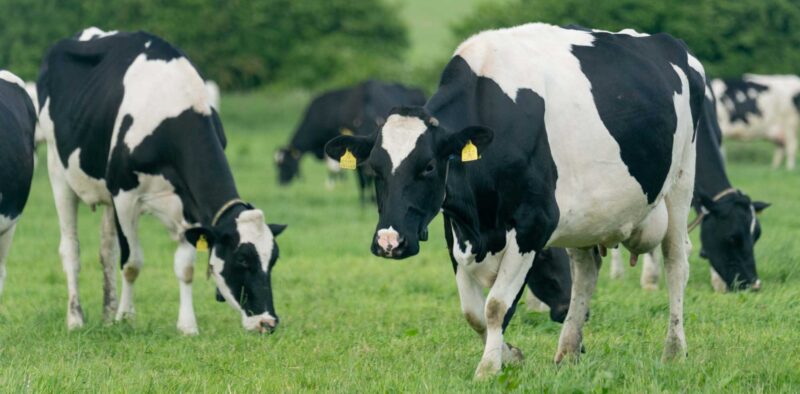
Farms can buy it for one more year, but from 2028, they will have to control lungworm without it. Most lungworm cases occur in late summer and autumn, commonly in first-season calves at grass but it can occur in all ages of cattle depending on their previous exposure and immunity. The symptoms can vary from a mild cough to severe respiratory disease that in some cases can prove fatal. There is an associated drop in yield in affected dairy cows and reduced growth rates in young stock. COWS puts the losses in a severe outbreak at £50 to £100 a head in growing cattle and up to £3 a cow per day in lost milk.
Monitoring for lungworm risk is easy, initially by simple observation. Cattle should not be coughing at grass, we should have zero tolerance of coughing at grass and when it does occur lung worm should at least be suspected and treatment options discussed with your vet.
At our Collaboration Day this summer, we discussed that vaccination for lungworm in cattle is a key strand of parasite control reducing the need for wormer use overall. BCVA, working with the COWS group, warned in the week of the announcement that without the vaccine, many farmers will return to precautionary worm dosing, creating different problems. For example, our recent report discusses cattle being increasingly at risk from wormer resistance. In 2024, researchers reported ivermectin and moxidectin failing to treat lungworm in UK dairy calves. It is hard to know how common lungworm resistance is in UK herds, but farmer and vet experience suggests that this is becoming more common.
Ruminant Revival signed the BCVA-led letter asking DEFRA (the Department for Environment, Food and Rural Affairs), the VMD (Veterinary Medicines Directorate) and APHA (Animal and Plant Health Agency) to meet urgently to discuss keeping a lungworm vaccine available
Calves turned out next spring will be the last that can be vaccinated with Huskvac, which makes the 2027 grazing season the time to put the alternatives in place. Weighing first-season calves through the summer, monitoring for coughing, testing and quarantining bought-in cattle, and keeping young stock off the highest-risk pasture in late summer all lower the chance of an outbreak without adding to the wormer use that drives resistance. Risk mapping fields on farm will help determine grazing strategies at different times of year, particularly if heavy rain is expected at which time susceptible cattle should be moved off the highest risk pastures.
Our full report, including what we’re asking for safe parasite control, is available to read here. Contact info@ruminantrevival.co.uk and look out for the next blog produced from the report, which will focus on drought.