What Do Dry Summers Teach Us About Grazing

AUTHOR: Lee-Anne Oliver
BVM&S CertAVP(cattle)(sheep) MRCVS
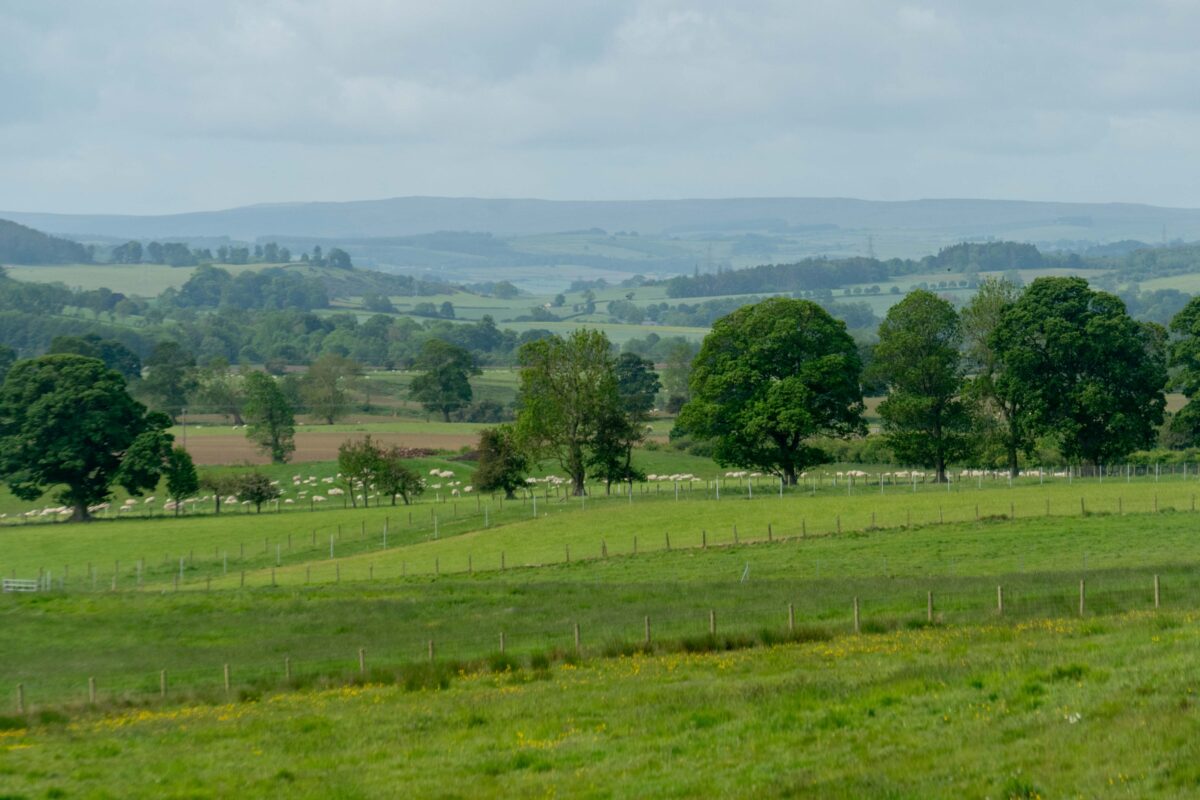
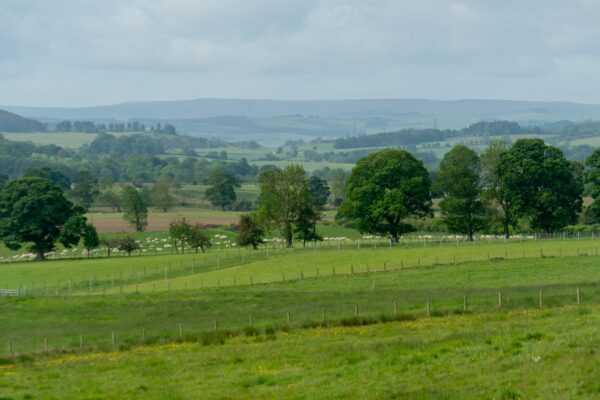
Summer 2026 was officially the hottest on record for the UK, bringing prolonged extreme heat and a severe seasonal rainfall deficit – 23% below the long-term average. Intense evaporation rates dried out soils and vegetation at an unprecedented pace, causing grass growth across the season to plummet to 46% below the five-year average. Extreme summer droughts can greatly impact farms as the shallow-rooted perennial ryegrass (which makes up the majority of UK grazing pasture) growth is halted. Not only is the growth rate affected – when the soil bakes, soil temperature spikes, which can accelerate moisture loss and stop nutrient cycling. Farms that cope noticeably better focus on soil health.
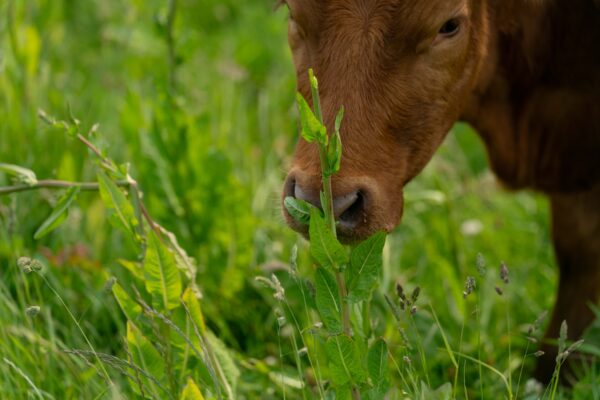
Grass roots sit near the surface, while herbs like chicory push roots deep into the soil profile. This allows the pasture to draw on deep moisture reserves that shallow swards cannot reach. Species diversity in the sward acts as an insurance policy: if weather conditions turn extreme, a diverse mix of species ensures at least some plants remain productive, keeping the soil covered to buffer against high temperatures.
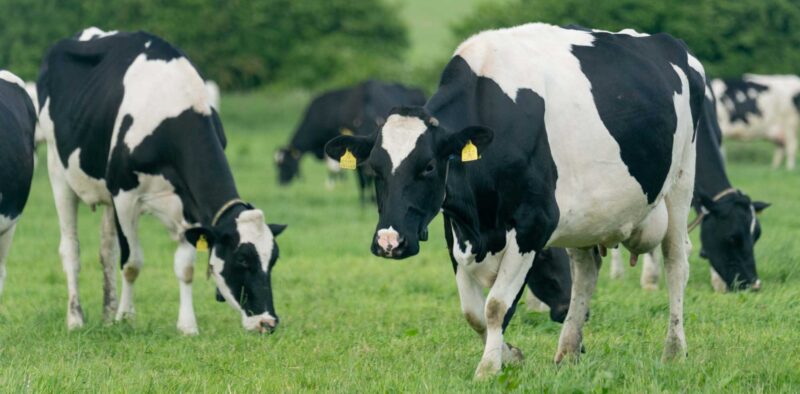
Sheep and cattle left on one large field through a drought will keep returning to the sweetest emerging shoots until the plant’s root reserves are exhausted. Rotational grazing moves them frequently through small paddocks with temporary electric fencing, and the enforced recovery period (often 30 days or more) gives plants time to photosynthesise and rebuild their roots before the next grazing. Over several seasons, that rest builds soil organic matter.
A severe lack of forage does more than just starve the landscape, it forces livestock to graze tightly to the soil and closer to dung pats than they normally would. Combined with the nutritional stress of a drought, which compromises animals’ immune systems, this behaviour creates a perfect storm for severe internal parasite outbreaks.
Moving stock on also takes them away from parasite hotspots before worm larvae can hatch and climb the grass blade. Some herbal ley species, including chicory and birdsfoot trefoil, contain condensed tannins, which have a direct anthelmintic (deworming) effect.
One farm that shared its experience at our Collaboration Day in July moved to rotational and diverse grazing, and within a year its spend on wormers and other products fell from £3,800 to around £300. This is backed by scientific data. Research from Bangor University shows that lambs grazing on a herbal ley in spring had worm egg counts that were 78% lower than lambs on standard grass and clover.
There is also a cost-benefit to extending the grazing season. According to AHDB’s figures, a grazing beef animal costs around £0.90 a day, compared with £2.05 when housed, once silage, straw and machinery are counted, so a 100-cow herd that grazes for an extra 30 days saves around £3,450.
In mid-August, the government announced £65 million for farmers in England – £50 million went into the Sustainable Farming Incentive and up to £15 million went to on-farm reservoirs. Farmers in environmental schemes also got more flexibility to feed and graze stock without losing payments. This support mattered especially for farmers who had no choice but to use their winter feed over the summer. However, a far more sustainable approach is to implement key practices during years with more rainfall, so that when drought is declared, long-term damage can be minimised. These include:
- Regular soil testing for pH, phosphorus (P) and potassium (K) levels;
- Targeted nutrient applications based on crop demand and soil reserves and;
- Incorporating diverse species in the sward to improve rooting depth and resilience
If this summer’s drought had lasted just another six weeks, the fallout for livestock feed security would have been catastrophic. Building climate resilience into a farm’s DNA is the single best way to protect the business against these increasingly volatile weather patterns. Preparing pastures now ensures that farmers are never caught off guard when the rain stops.
Our report, Building resilience into UK beef and sheep farming, outlines the urgent steps needed from farmers, industry stakeholders, and all four UK governments. Contact info@ruminantrevival.co.uk and look out for the next blog produced from the report, which will focus on drought.