The Rise of Bluetongue in the UK

AUTHOR: Lee-Anne Oliver
BVM&S CertAVP(cattle)(sheep) MRCVS
In early summer, Ruminant Revival hosted a Collaboration Day at Cairns Farm, bringing farmers, vets, researchers, processors and policymakers together to discuss the pressures facing beef and sheep production. Neil Shand from the National Beef Association told delegates that a warming climate is pushing diseases such as bluetongue further north.
That proved to be alarmingly prophetic because, since the event, bluetongue has spread into Scotland, drought was declared across England and eastern Scotland and temperatures rose to record levels. On top of this, the conflict in the Middle East continued to elevate feed and fuel costs, and news came that the UK’s only lungworm vaccine is to be withdrawn. Each of these factors makes the animal health, grazing and parasite control recommendations made on 8th July all the more urgent.
BTV-8, a strain of bluetongue, arrived in the country in 2008 – the UK’s first incursion. BTV-3 followed in 2023 and this strain is responsible for the massive surge in cases during the summer. Around 30 bluetongue serotypes have been identified worldwide, each behaving slightly differently, so nothing rules out further strains reaching British livestock in the years ahead.
As of 5 October, gov.uk had recorded 2,780 confirmed cases of bluetongue this season: 2,280 in England, 457 in Wales and 43 in Scotland. Set that against the 348 cases confirmed across the UK in the whole of the 2025 to 2026 season, it is clearly a huge increase.
Bluetongue is not the only disease carried by midges. Schmallenberg virus arrived in 2012 and has settled into a cycle of a high number of cases every three to four years, as immunity in the herds builds, then fades. A closely related virus, Shamonda, was detected in northern Europe for the first time this year, in France, the Netherlands and Germany, and experts expect it will soon arrive in the UK. Affected cattle typically show fever, reduced milk yield and diarrhoea.
Why the spread of bluetongue is unpredictable
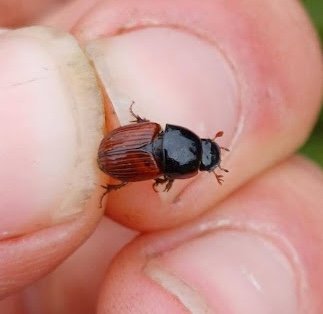
There are a series of steps that need to take place for a sheep or cow to become infected with bluetongue. A midge has to bite an infected animal, carry the virus long enough to become infectious itself, then bite a second animal, and the chain can break at any one of those steps. That is why one farm can be badly affected, while another one close by might not have a single case.
The Animal and Plant Health Agency (APHA) and the Pirbright Institute have been able to forecast roughly where a new incursion would come ashore, based on wind patterns in Europe. What nobody can tell with the same confidence is how far north the disease will reach, or how the virus will change when established here. Further north tends to mean cooler conditions, and cooler conditions slow a midge-borne virus down, but the UK’s livestock population has no prior exposure to most of these pathogens.
The reason why heat can speed up infection rates is due to a mechanism called the extrinsic incubation period – which is the amount of time a midge needs to be infected with the bluetongue virus before being able to pass it on. That period shortens in warm weather and lengthens in cold, which is why this year’s heatwave caused a huge increase of bluetongue cases. Cases recorded in late September are likely to move more slowly than the ones from June and July, as the average temperature is cooler.
The importance of vaccination and surveillance
Nobody can control the weather but farmers can vaccinate their animals to build immunity. Developing one of these vaccines costs millions of pounds, and pharmaceutical companies are businesses, not public health bodies funded by the government – so they need to generate a return that justifies the investment. Three companies brought a BTV-3 vaccine to market quickly this year, and a vaccine for BTV-8 is still available. A vaccine against Schmallenberg, by contrast, was withdrawn because demand wasn’t there to sustain it.
Demand for the BTV-3 vaccine was slow early in the year, but then steeply increased as the outbreak worsened through summer, by which point supply in some regions couldn’t keep up. A pharmaceutical company weighing up whether to develop a vaccine for the next virus will look at how this one sold. Those decisions will affect whether a vaccine exists in time for the next vector borne disease. Building an effective system that includes good surveillance, diagnostics, vaccine development and farmer uptake is crucial to tracking the spread of bluetongue and preventing future cases.
For more information you can read our collaboration report here, contact info@ruminantrevival.co.uk and look out for the next blog produced from the report, which will focus on vaccine withdrawal.