Guest Blog
The Workforce Beneath our Feet: The Role Dung Beetles Play in Resilient Farming Systems

AUTHOR: Reggie Langton
Mutton Producer and Consultant at Langton Land and Farm Monitoring
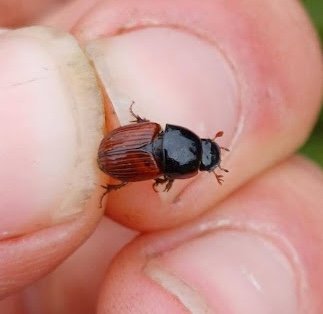
Photo by Joe Holt
With dry summers and wet winters seemingly becoming the norm, many in the industry are looking to build resilience for when the weather turns against them.
One often overlooked ally that doesn’t draw a wage and doesn’t need servicing, yet it works to promote a range of factors associated with a resilient farming system is the dung beetle.
Can We Afford Not to Promote Dung Beetles?
In 2015, research estimated that dung beetles save the UK cattle industry £367 million a year through the ecosystem services they provide an average of £40.45 per cow. Adjusted for inflation to 2026, that is more than £527 million, or £58.10 per cow. So, what is this hidden workforce doing to have such an impact?
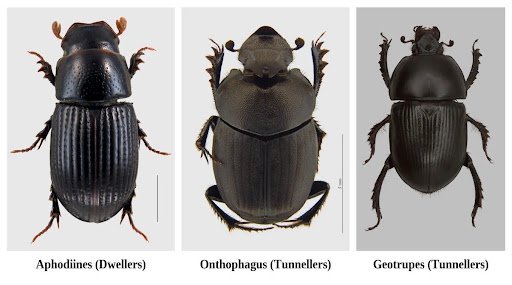
Walk across a pasture in the summer and, with any luck, you will be stepping over them without knowing it. Dung beetles are often described as a keystone species of pasture-based systems. They feed on dung and build their whole lives around fresh piles of manure. There are around 60 species in the UK, but they can largely be split into three groups, depending on their size and how they interact with the dung.
The Aphodiines, known as the dwellers, make up the largest group. Open a pile of dung and it is most likely this group you will find living and feeding inside. The second group, the Onthophagus, is one of two groups of tunnellers. They also live within the dung, but they pull it down into the soil to lay their eggs in. The third group, the Geotrupes, are tunnellers too, but they are larger, at 8–26 mm long compared with 4–11 mm.
What is Putting Them Under Pressure?
As part of a review into the status of beetle species, Natural England concluded that 50% of dung beetle species should be classed as nationally scarce or under threat several factors are behind the decline of these ecosystem engineers. The first is the loss of pasture. Ploughing, reseeding and mechanical aeration – all activities often bundled under the title ‘pasture improvements’ – disturb the soil where these beetles live. The move to grassland monocultures and the use of artificial inputs take their toll as well. Lush pasture with an imbalance of nitrogen to carbon additionally hinders the beetles living in the dung, providing too much liquid manure for them to thrive in.
A second factor leading to the decline of dung beetles is the loss of dung itself. As the name suggests, dung beetles can neither feed nor breed without it, so removing livestock from the land, or housing stock for longer, breaks the supply of food and habitat they depend on.
The third, and the one most often discussed in veterinary circles, is the routine use of artificial anthelmintics. Dung beetles naturally help to reduce the parasite burden, but artificial treatments often pass through the animal and into the dung, and the research shows these residues harm dung fauna, dung beetles included.
Know What You Already Have
With careful thought and responsible use of inputs, there is a real opportunity to put dung beetles to work in synergy with the farming business, for the benefit of livestock health and farm profitability. The first step is getting out and taking an assessment of the population you already have.
Conveniently, many of the practices that encourage dung beetles are linked with business resilience. There are some great resources out there on how to promote dung beetle populations, so do take note of them, but the key first step is to baseline your current populations. During the warmer months of the year, identify a few piles of dung from a range of livestock classes, assess dung beetle activity and numbers, and see how quickly the piles are breaking down.
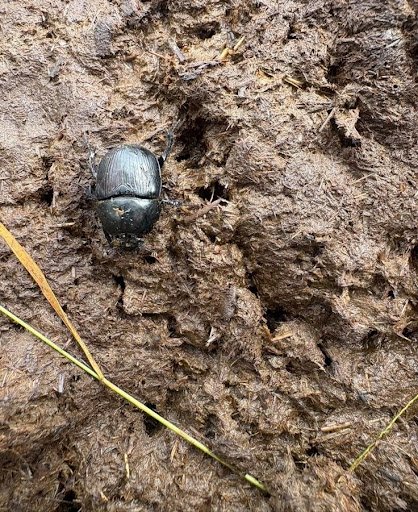
Photo by Dan Herdman
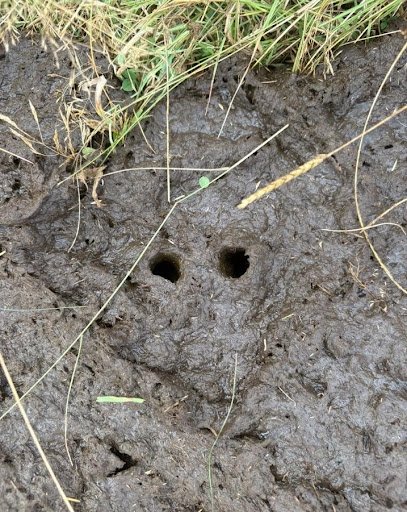
Photo by Dan Herdman
One Indicator Doesn’t Paint the Whole Picture
Dung beetles are one indicator of a functioning system rather than the whole picture; the most powerful information comes from a holistic view of a wider range of monitoring points and observations. With dry summers and wet winters becoming the norm, a workforce that helps mitigate the impact of these conditions is worth protecting, and the first step is knowing whether you have them present.
For further information, please contact Reggie Langton: reggiehlangton@gmail.com