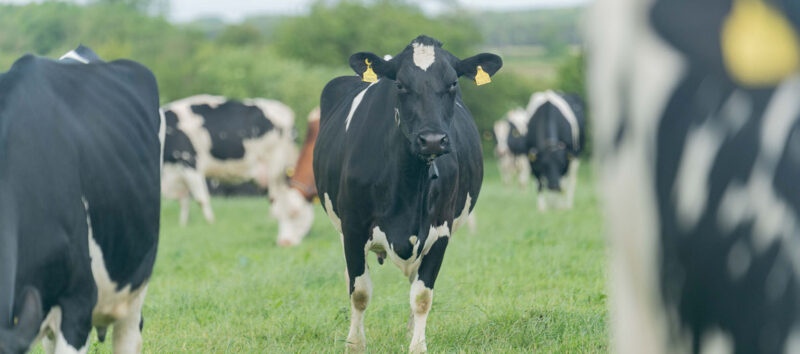
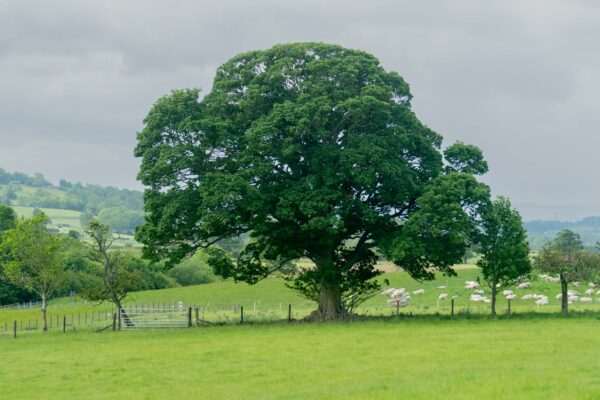
Sharing vs sparing: A new ethos for farmers and nature
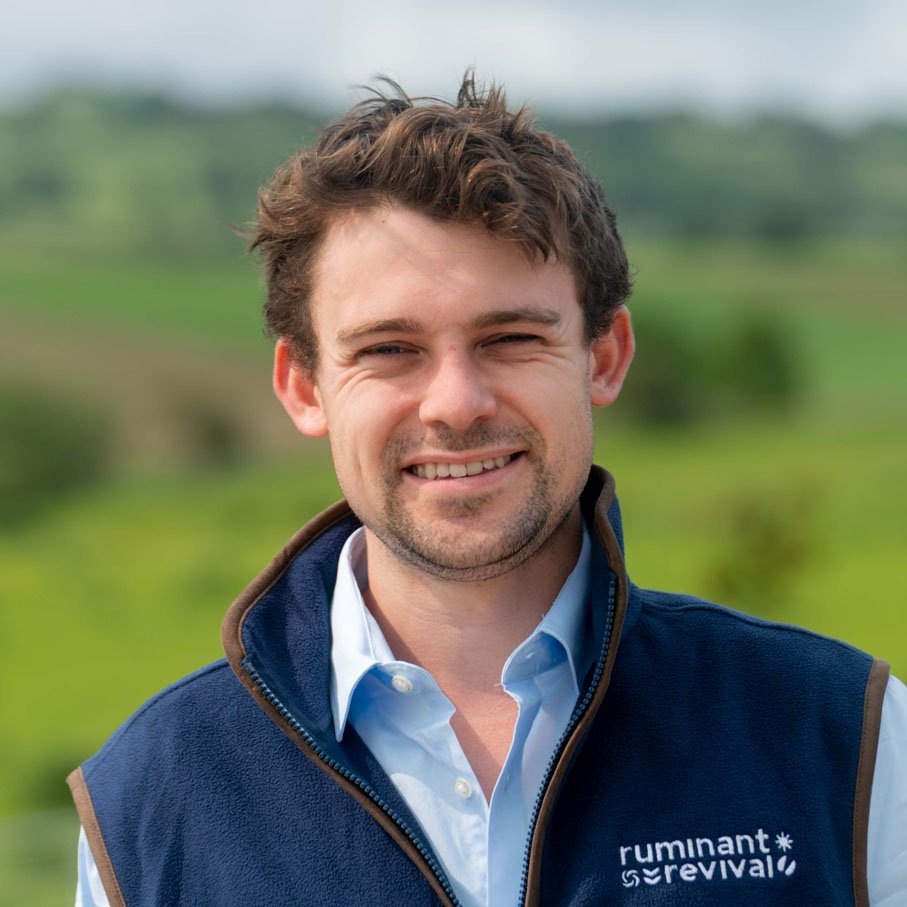
AUTHOR: Matthew Anderson
BVETMED MRCVS
Large Animal Vet and Consultant
In the face of rising global demand for food and increasing pressure on our ecosystems, livestock farmers today face a critical question: how can we feed the population while preserving the natural world around us? Two main strategies dominate the conversation – land sparing and land sharing – each offering a distinct approach to managing farmland and conservation.
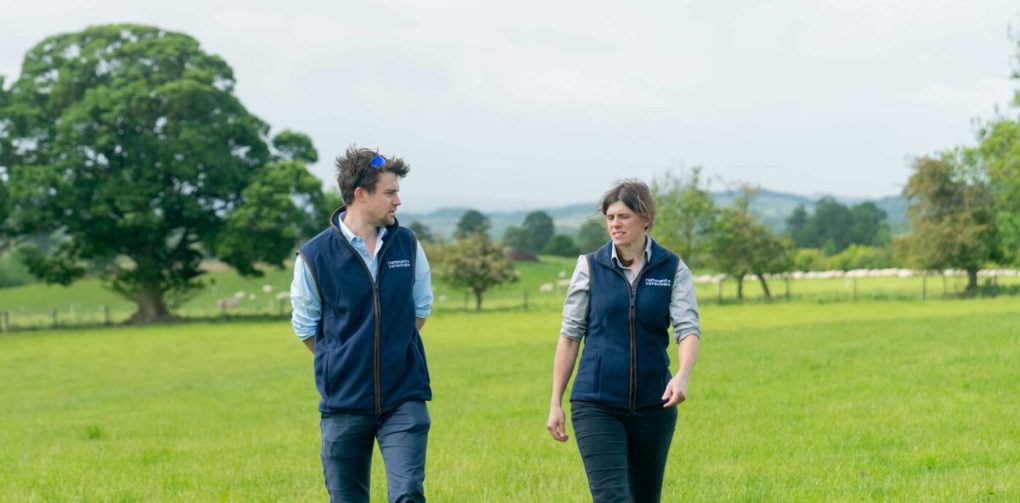
Land sparing proposes a model in which high-yield agriculture is concentrated on specific parcels of land, leaving large areas untouched for natural conservation. In contrast, land sharing integrates wildlife-friendly practices directly into agricultural land, blending productivity and biodiversity on the same fields. This approach naturally supports biodiversity and livestock integration, allowing both ecosystems and farm businesses to thrive in tandem.
At first glance, sparing may seem efficient, as it raises production in one place while preserving nature in another. However, real-world complexities quickly emerge. Livestock farming is not a sterile, industrial process. It is deeply tied to landscapes, local ecosystems, and the welfare of animals and people alike.
The Hidden Costs of Intensification
Many sparing schemes require intensification that relies on chemical inputs, confined feeding operations, and monoculture pastures, all of which can degrade soil, pollute waterways, and distance farmers from sustainable, long-term practices. While it may yield more meat per hectare in the short term, it often comes at a high ecological cost and can damage the very land future farmers will need.
This approach creates dependencies that undermine long-term resilience. When farms become reliant on external inputs, such as fertilisers, pharmaceuticals, and feed supplements, they become vulnerable to supply chain disruptions and input cost volatility. We’ve witnessed how quickly these dependencies can threaten farm business stability, particularly when global events disrupt supply chains or drive input prices beyond sustainable levels.
Sharing, on the other hand, offers a different path – one that respects the interconnectedness of farming and nature.
Evidence for Integration
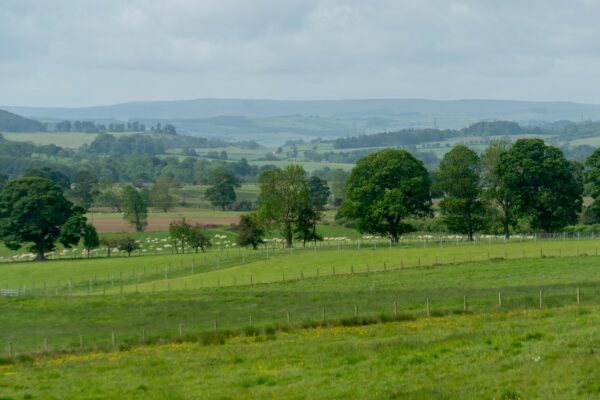
Livestock farmers across the UK and beyond are already putting sharing into practice. Mixed grazing systems that rotate cattle and sheep across biodiverse pastures help improve soil fertility, reduce parasite loads, and support wildflowers and pollinators. Hedgerows, tree belts, and buffer strips act as wildlife corridors, windbreaks, and sources of shade and forage. Livestock integrated with agroforestry can contribute to carbon sequestration while increasing resilience to drought and disease.
The evidence supports this approach. Integrated crop-livestock systems reduce feed and transport costs whilst boosting soil fertility and biodiversity. Over 50% of farms with grassland have introduced clover or other legumes into pastures, naturally enhancing soil nitrogen and forage quality. Among those implementing these practices, 74% have adjusted their fertiliser applications accordingly, reducing synthetic inputs when natural soil improvements deliver results.
Veterinary Perspectives on Land Sharing
From a veterinary standpoint, land sharing aligns with fundamental principles of animal health and welfare. Animals evolved in diverse environments, and their immune systems function optimally when exposed to varied landscapes and natural behaviours. Extensive systems that allow natural grazing patterns and social structures often require fewer pharmaceutical interventions.
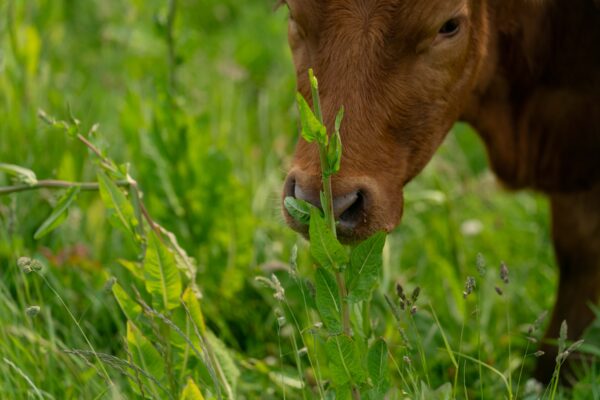
Farmers using herbal leys report equivalent lamb growth rates to high-input systems, without reliance on cobalt drenches. Such examples reinforce the value of livestock farming without pharmaceuticals in achieving performance through natural, diversified forage. This demonstrates how biodiversity can support animal nutrition whilst reducing input dependencies. When animals can select from diverse plant species, they often self-medicate and balance their nutritional needs naturally.
Crucially, sharing doesn’t mean sacrificing productivity. Studies show that holistic grazing, rotational systems, and regenerative practices can maintain or even improve yields while enhancing biodiversity and building healthier soils. When nature is allowed to work with us—not in isolation from us—the results can be more sustainable, more humane, and more profitable over time.
Economic Resilience Through Diversity
Land sharing builds economic resilience in ways that intensification cannot match. Diverse systems spread risk across multiple income streams and reduce dependency on volatile input markets. When farms integrate trees, varied pastures, and wildlife habitats, they create multiple value sources—from improved soil health to potential payment for ecosystem services.
The data on farm business performance supports this approach. Top-performing farms actively engage in strategic planning and goal-setting, characteristics that align well with the long-term thinking required for successful land sharing. These operations understand that sustainable profitability comes from building resilient systems rather than maximising short-term yields.
Supporting Rural Communities
Land sharing also contributes to rural economic and social wellbeing. When farms maintain diverse landscapes and traditional practices, they support the cultural heritage and scenic value that underpins rural tourism and quality of life. This matters particularly given the challenges facing rural communities, where sustainable farming practices can help maintain the vitality and identity of countryside areas.
Moreover, land-sharing approaches often require more skilled labour and local knowledge, thereby supporting employment in rural areas. This contrasts with highly intensive systems that may reduce local employment whilst increasing dependency on external services and inputs.
Building for the Future
Land sharing represents a philosophy that secures the future of UK food production. By reducing reliance on chemicals and pharmaceuticals, responding to shifting consumer values, maintaining land productivity, strengthening the food supply, and protecting environmental health, this approach addresses multiple challenges simultaneously. It also highlights how practices like agroforestry and holistic grazing can support carbon sequestration in livestock farming, contributing to both economic and environmental sustainability.
The framework acknowledges that farm business resilience requires protection against input cost inflation, market volatility, and supply chain disruption—benefits that emerge naturally from diversified, less input-dependent systems.
Conclusion: A Shared Landscape, A Shared Future
The future of livestock farming lies not in separating nature from agriculture, but in embracing their mutual dependence. Land sharing isn’t just a compromise—it’s a philosophy that reflects the values many farmers already hold: stewardship, care for the land, and a long-term vision.
As we look to feed a growing population and face a changing climate, sharing offers a resilient, ethical, and ecologically sound path forward. For veterinary professionals committed to animal welfare and sustainable farming, land sharing provides the framework for advice that serves animals, farmers, and the environment simultaneously.
For the sake of our animals, our land, and the wild creatures we share it with, it’s time to make sharing more than a practice—it should be our ethos.
Sources:
Agricology. Integrating Leys into Arable Rotations. Available at: https://agricology.co.uk/resource/integrating-leys-arable-rotations/
Department for Environment, Food and Rural Affairs (DEFRA). (2022). Fertiliser Usage on Farm England 2021 Statistics Notice. Available at: https://www.gov.uk/government/statistics/historic-fertiliser-usage-on-farm-england/fertiliser-usage-on-farm-england-2021-statistics-notice-published-26-may-2022
AHDB. (2024). Characteristics of Top-Performing Farms 2024. Available at: https://ahdb.org.uk/knowledge-library/characteristics-of-top-performing-farms-2024