Technical Note
Soil health and ruminant gastrointestinal parasites

AUTHOR: Lahra Harcourt-Brown
BSc(Hons) BVM&S MRCVS
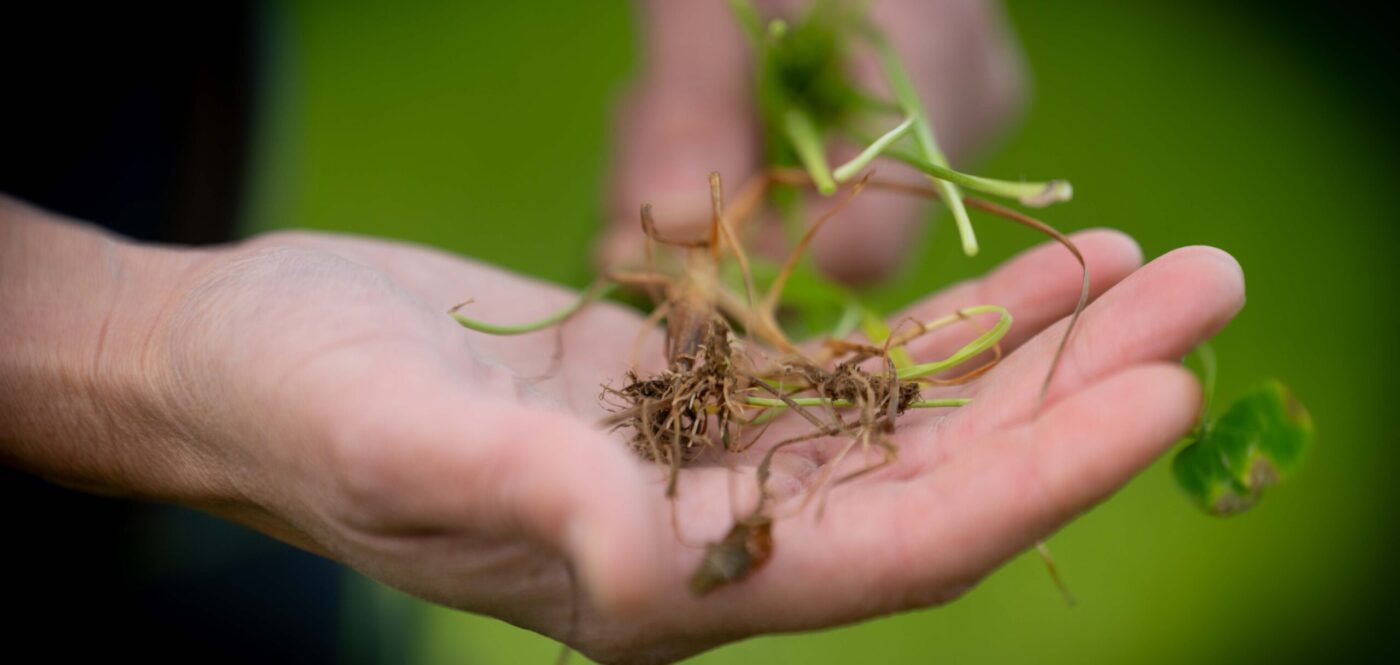
The careful management of parasites within a regenerative system is an ongoing point of discussion. Ensuring we follow the SCOPS and COWS advice to reduce parasite treatments to only when necessary, with targeted integrated parasite management a common aim on farms across the UK. While considering that sometimes it is necessary to use chemicals, it is also worth considering other methods of control.
Parasites affecting ruminants undergo many free-living stages in their life cycle – this is thought to provide opportunities for different biotic relationships to occur. The commonly given example is trichostrongylids, a common parasite in ruminants, which have two life stages within dung. It makes sense that other organisms feeding, living in or utilising dung for their own life cycle may affect the maturation of this parasite.
Biological management of gastrointestinal parasites has been discussed for some time, with experimental data showing dung beetles appear to be involved in the reduction of L3 parasite larvae in dung, provided it is buried 15cm downwards. Emerging studies are now linking smaller beetles with a reduction in L3 due to the high speed of dung removal from the pasture. The scientific studies are concerned with overestimating the positive benefits of biotic factors in parasite control, and it should not be used to prevent animals from receiving chemical interventions where required.
In 2024, a paper was released outlining three groups of soil and dung fauna – all thought to have an interlinking effect on parasitic stages within dung. Dung Beetles may steal the show, but fungi and earthworms appear to have critical roles that should not be overlooked.
- Fungi
- Earthworms
- Dung Beetles
Fungi
Fungi have been utilised for commercial feed supplements with mixed results. However, it was noted that fungal-parasite relationships occur commonly in the natural environment, and there are several methods of fungal predation. Further research is undoubtedly needed to repeat research currently showing fungal action on reducing egg per gram in cattle pats.
Earthworms
Beneficial effects are thought to be an increased risk of parasitic larvae ingestion and the removal of dung from the surface of the soil. There is very little information on how this works at a farm level. Although information from studies is mixed, it was concluded in this paper that the presence of earthworms reduced the number of parasites reaching the pasture.
Dung beetles
Dung beetles’ importance is clear with their role in the removal of dung from the pasture, and this is further supported by this paper. Whilst there are clear benefits to improving and supporting a diverse dung beetle population, there is a lack of farm-based studies quantifying the positive impacts on parasite reduction.
The paper also briefly touched upon the interactions between the three key groups and their life cycles. Dung beetles may feed on fungi, and fungal growth can be increased or decreased by dung beetle presence. Earthworms are attracted to dung following the early colonisation of dung by beetles. Seasonality of beetle presence will impact their interactions. The point of comparing each species is to show the complexity of the soil ecosystem and that balance is key to soil health. If all groups have positive effects on parasite burdens on pasture, maintaining all three groups is important.
As parasites evolve their resistance to our current chemical treatment options, it is paramount to consider other tools at our disposal to manage parasite burdens on the farm. The benefits of reducing anthelmintic usage are clear: reducing labour and product costs and improving the health and welfare of stock. This, in turn, maximises stock efficiency, increasing your outputs whilst decreasing the inputs. Whilst we should never withdraw treatments when they are necessary, considering our impact when we provide these treatments and considering alternatives is a road to promoting resilience in ruminant parasite management.
Further reading:
Boughton, C.J., Lancaster, L.T. and Morgan, E.R. (2024). “Biotic interactions in soil and dung shape parasite transmission in temperate ruminant systems: An integrative framework”, Ecological Applications, 34(3). Available at https://doi.org/10.1002/eap.2956.