Case Report
Changing the thinking – reproductive improvement on a hill farm
AUTHOR: Lahra Harcourt-Brown
BSc(Hons) BVM&S MRCVS
This case study is an anonymous summary of one farmer’s journey to taking control of breeding management, yielding massive positive change to the health and welfare of breeding cattle on farm in a very short time frame. Thinking outside of the box and having the courage to follow through in solving breeding problems has significantly reduced this farmer’s workload, increased profits and reduced stress levels around calving on both the cattle and the farm staff.
The main aim of this unit is to lower inputs, achieve a greater quality of life, improve work-life balance and reduce the reproductive challenges seen with keeping continental cattle.
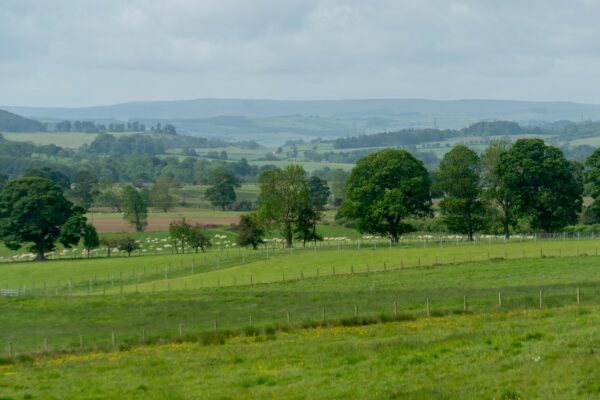
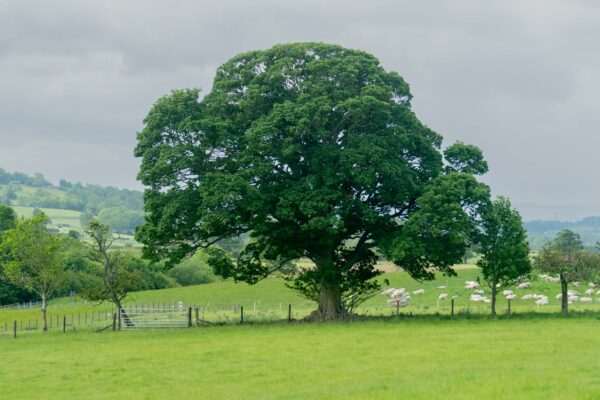
Farming 700 acres in Northern England, with around 400 of those owned privately. 160 acres would yield first-cut silage with second cut variable. All hard feed and straw bedding must be bought in, with costs escalating, as for all farms, in the last few years. The farm faces common challenges of geography, with poorer hill ground, described as a ‘less favourable’ environment.
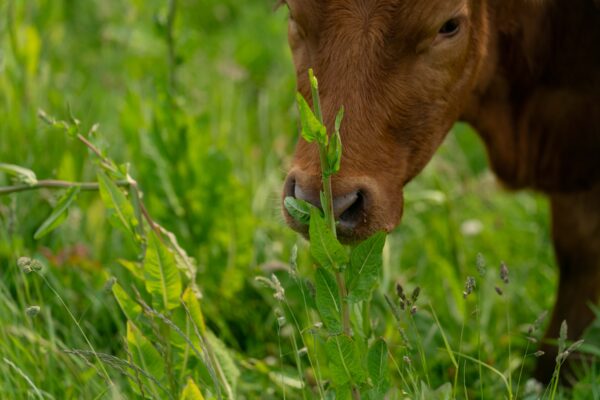
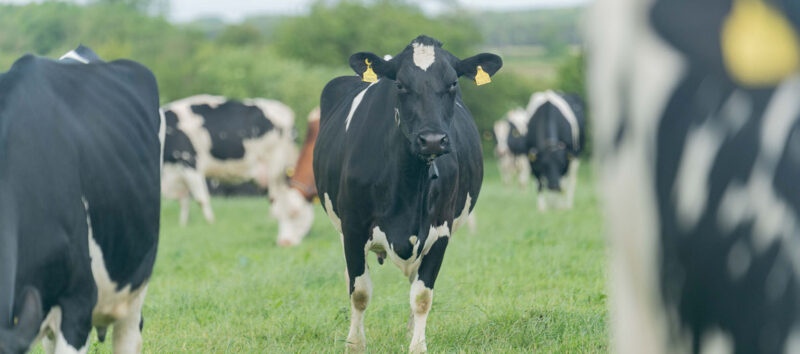
The herd is made up of 160 breeding cows, which are now 50% pure Stabilisers, and 50% Blue dairy mix bred with Limousin bulls. This change to Stabilisers forming 50% of the herd has happened within 2 years – a rapid change to reduce the breeding difficulties.
An alternative way of thinking about breeding on farm has been brought on by necessity, due to a self-professed “disastrous spring” in 2023 and knowledge of changes made on nearby farms.
Main issues identified on farm:
- High labour input
- Fertility issues
- High rates of mastitis
- Calves which were slow to get going with constant attention needed to get calves sucking
- A high rate of veterinary intervention in reproductive issues such as dystocia and prolapses was also noted.
Calving intervention before changing the herd’s breeding plan was high. Of course, you will always need to intervene on any farm setup occasionally; however, getting the number of animals requiring intervention as close to zero as possible is the goal.
Calving intervention on this farm prior to changes
Heifers: 80% would need calving with a calving jack. This could take anywhere from 30 minutes for a simple presentation to 2 hours or more, if resulting in a veterinary visit and surgery.
Cows: At least 30% would need calving with a calving jack. Timing as above.
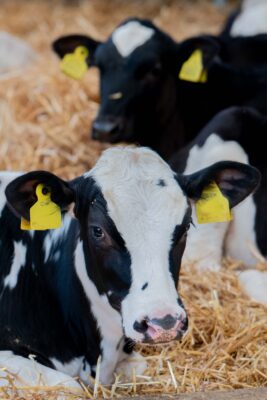
Calves: Numbers not known, but the farmer describes “a very high number” that would need to be repeatedly stood on their feet and encouraged to drink. Turning newborn calves out to pasture became impossible until they ‘got going’.
Navel ill was common in the calves, likely due to reduced colostral intake, increased exposure to environmental pathogens due to recumbency and the physiological stress of harder calvings.
Survival rates of live calves going to store or fat sales would be around 80%.
Other health issues: Mastitis development was common, with exact figures unknown, thought to be precipitated by the high milk yield and large bags. This also led to further time needed to treat cows and support calves with supplemental nutrition.
Calving intervention on this farm within the new population of stabiliser cattle following changes
Only three occasions of assistance: One was a heifer with a larger calf, which needed care following calving, including pain relief. Another heifer was assisted with a calving jack, although the farmer notes this may have been more to do with the time of day being late evening and the need to get the heifer sorted before staff turned in for the night. Both made a full recovery, and calves required no further assistance.
There has been one uterine prolapse within the new group of cows, likely due to mineral provision. Due to the cow’s temperament and the speed of arrival on farm, this was uncomplicated. Strides have been made to ensure diet is appropriate, to avoid future cases.
Calf issues have dramatically reduced, and there are no issues with slow calves within the stabilisers. No issues with navel ill in these calves. Thus far, a mortality of 5% has been reported for the calves from birth to fat in 2024. This is a 15% reduction and is an impressive statistic, which could easily be brought down further in the future. There have been no cases of mastitis in the stabiliser cattle.
Post-calving infections retained placentas and hypocalcaemia were and are not reproductive issues commonly seen on this farm, and as such, we would not be able to comment on the impacts of the breeding changes on these subjects. However, one would expect positive impacts to these in other set-ups.
Morbidity and Mortality of the Continental Herd before changes were made in 2023:
- 5 calves with calving related soft tissue issues, suspected broken ribs
- 20% mortality rate in calves due to birthing complications
- 3 calves with pneumonia post-birth related to a bad calving or c-section
Stabiliser-only calf mortality since the start of 2023:
- 1 calf fractured leg
- 1 calf sudden death
- 2 abortion/still births
Stabiliser only calf morbidity since the start of 2023:
- 1 calf pneumonia, 3 months, even vaccinated
No stabiliser heifers or cows lost to reproductive issues
No meaningful comment on culling rates can be made at such an early stage of the transition; this will be interesting to follow over time. However, it is worth noting that culling is not seen as a negative but more as a valuable tool in perfecting the breeding pool of cattle on farm.
Benefits to the farm have gone beyond the improvement to reproductive issues with liveweight gains also improving. Bulls now kept entire are outstripping the continental calves with a daily live weight gain (DLWG) of 2.0kg. Heifers have remained much the same at 0.8kg DLWG. Previous continental counterparts were achieving 1.0kg DLWG. This is enabling Bulls to be slaughtered at 12-13 months, averaging 360kg DW (dead weight) with top animals reaching 700kg live weight (LW). Non-breeding heifers are slaughtered at 20-22 months, weighing 320kg DW/ 600kg LW.
Financially, the finishing process is taking £300 less per calf for the stabiliser calves. This is an enormous improvement and considers bedding, feeding, mortality, and veterinary expenditure. Bulls are going for £2500 and heifers £2300 in the current market. Relying on this to stay static is obviously not possible however, the gains based on reduction of inputs are so vast that resilience to market fluctuations is now in-built.
Veterinary expenditure has reduced dramatically. The expenditure on veterinary fees (excluding medications) in the calving period of 2025 has decreased by 90% compared to 2023. The drug spends associated with reproductive issues have reduced by 93%. Labour, subsequent losses due to obstetric issues, growth rate losses in youngstock, bedding, feed and other costs have not been analysed.
Other benefits noted on farm were the ability of stabilisers to thrive on ground previously not utilised by Limousin cattle, improved personnel safety due to less handling, and no ill effect to the temperaments of cattle on farm.
Time ‘freed up’ by the reduction of reproductive intervention is soon swallowed up by innumerable other tasks on farm. The farmer noted that time could now be spent on better analysis of how the cattle are doing – perhaps looking into analysing growth rates and more opportunity for observation. Or perhaps allowing for time to concentrate on their sheep enterprise. One would hope there is now a chance to visit farm events locally and share the outcomes of their hard work.
No change without challenges
Of course, no change comes without its challenges, and it is noted that lameness issues seen with the continental cattle are also requiring management in the stabiliser population; this will largely be due to the environment and is under management to improve. There are some tweaks needed to the management of bull calves, as keeping entire bull calves may be more of a challenge. There is also a consideration to heifer pelvic scoring for retained replacements for an extra layer of protection to reduce heifer calving issues. There is a goal to move to a mostly closed herd shortly, due to the reduced need to purchase replacements and calves to set on to cows following losses.
As vets, we often discuss with clients the ‘look’ of continental cattle – I was interested to discuss this further. Continental cattle are popular and rewarded at market sales however we often see beyond this, knowing the true costs involved in getting these cattle to market. Conversations with this client showed that although it is a challenge to change your perception of the cattle’s appearance, the benefits seen to the farm, the farmer and the balance sheet, the benefits far outweigh the aesthetics. It was noted that seeing the cows and their calves thrive after birth, with very little intervention to get healthy calves at foot, the negative feelings towards their appearance turned positive very quickly, precipitated by the speed of fattening and, of course, without the feed, bedding and veterinary bills souring the taste at the end of calving.
Comparing this against the remaining continental population, this farmer is keen to pursue 100% replacement of his breeding stock with stabiliser cattle, to further reduce health interventions, medical costs and stress levels on staff. Taking back control of breeding management on farm has enabled improvement of the well-being of every member of the farm team.
Farmer wellbeing is key to a profitable and well-performing farm. This farmer described Spring 2023 as “soul-destroying”, and these changes were made to flip the situation and try to ensure it never happens again. They have seen the workload improve dramatically, more time to rest appropriately and focus on other areas of the farm (such as the large sheep enterprise).
With excitement for the future and the ability to watch this herd progress over the next few years, they are at the start of their journey and see learning as a key part of their progress into the future.