Technical Note
Part Two - Earthworms

AUTHOR: Lahra Harcourt-Brown
BSc(Hons) BVM&S MRCVS
Ivermectin has been experimentally shown to affect earthworms’ reproduction and activity levels, compromising populations of this integral contributor to the soil food web. Termed ‘Ecosystem Engineers’, earthworms have a capacity to move large volumes of soil, aiding in litter decomposition and distribution of organic matter throughout the soil. This has downstream effects on microflora, making litter more accessible to microbes and improving moisture retention and aeration.
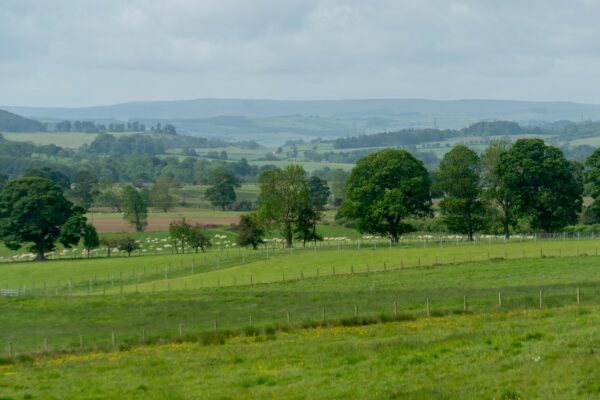
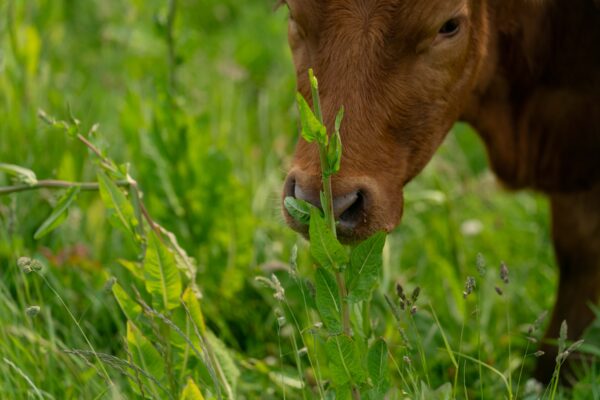
Earthworms are sensitive to soil disturbance and tillage and thus thrive in undisturbed soil, such as permanent pasture grazed by livestock. Their presence and role in this pasture means they are at risk for toxicity of Ivermectin residues following treatment of grazing stock. Considering their versatile role as one organism in a complex soil food web, maintaining their populations and reducing potential harmful impacts is imperative to maintain a healthy and functioning soil.
Maintaining the soil ecosystem in a permanent pasture is important to encourage good growth of forage plants. Plants rely on a functioning soil food web to have access to the nutrients and ability to develop their rhizosphere, enabling healthy and strong growth. Improved growth and quality of forage promotes better feed intakes, growth rates and overall higher productivity and efficiency in grazed livestock.
Moreover, a study carried out in 2012 constructed a soil multi-species system to mimic the action of the soil food web under the pressure of Ivermectin. This study showed that all treatments significantly impacted community composition and abundance with impacts on other soil organisms not mentioned within this piece. Overall, a disruption to earthworms has a multitude of effects of different aspects of the form, and therefore it is crucial we preserve the wellbeing of these soil food webs by reducing the use of Ivermectin on farm.
Further reading:
Heinrich, A. P., Junck, J., & Düring, R. A. (2025) ‘From soil sorption to bioaccumulation: Tracing the endectocide ivermectin in soil and earthworms.’ Chemosphere, 375. https://doi.org/10.1016/j.chemosphere.2025.144228
Stirling, Graham., Hayden, Helen., Pattison, Tony., Stirling, Marcelle., (2018) ‘Chapter 3, Organisms in the soil food web and their functions’, in ‘Soil Health, Soil Biology, Soilborne Diseases and sustainable agriculture: A guide.’ Clayton South, VIC: CSIRO Publishing, pp. 37–38.
Jensen, J., & Scott-Fordsmand, J. J. (2012) ‘Ecotoxicity of the veterinary pharmaceutical ivermectin tested in a soil multi-species (SMS) system.’ Environmental Pollution, 171, 133–139. https://doi.org/10.1016/j.envpol.2012.07.014