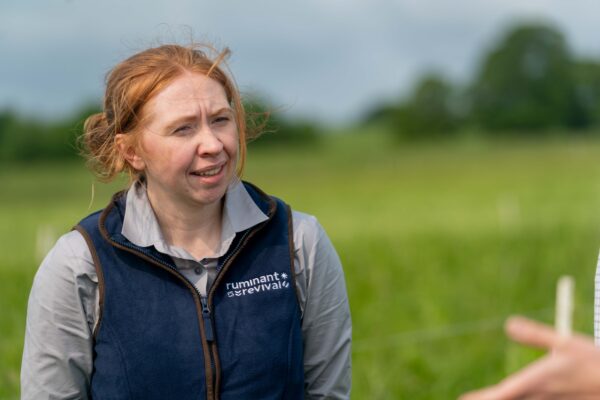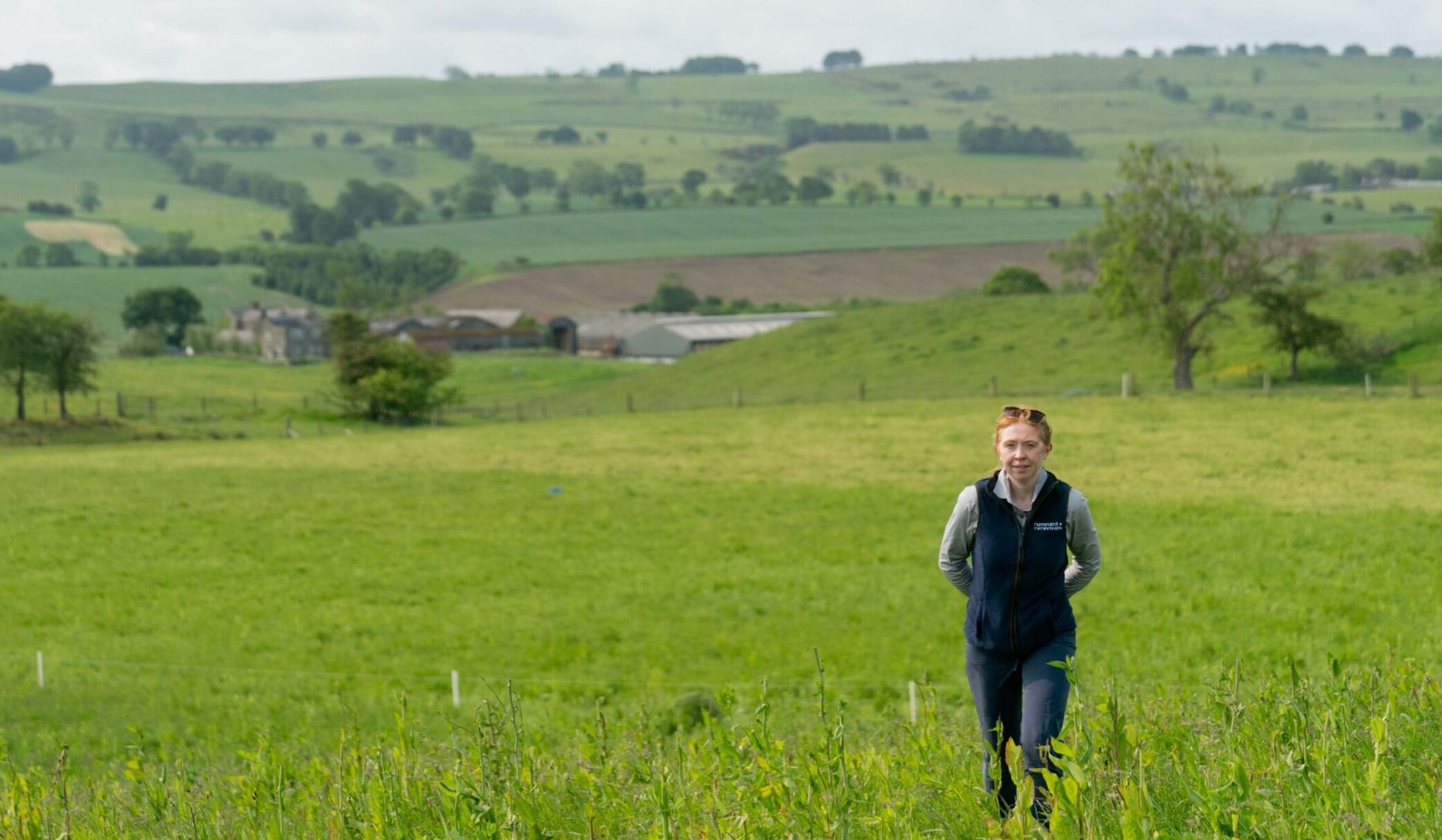
In this short series, Lahra Harcourt-Brown considers Ivermectin and its effects on soil health. Her short blog starts by asking what Ivermectin is, how it ends up in the soil, and what effects this has on farm health. Then, her three technical notes look at the repercussions this has on specific populations, including dung beetles, earthworms, and microbial and fungal populations.
All our content can be found by scrolling down to the pages below!
Introduction
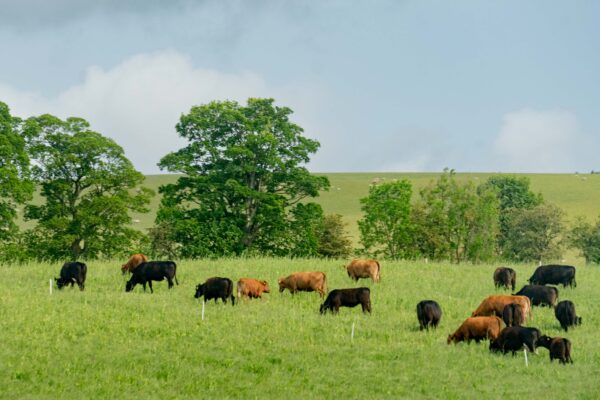
Ivermectin is a widely used anthelmintic medication for the treatment of internal and external parasites. Unfortunately, it also poses an ongoing risk to soil biology due to its toxic effects on soil macrofauna and the resulting ecosystem impacts. Our soils are a complex, interwoven system, with biological, chemical, and physical traits that depend on a functioning ecosystem. Maintenance of this fragile ecosystem is key to maintaining sustainable agricultural systems, especially those that rely on grazing livestock. Reducing the usage of Ivermectin on farms is therefore imperative to protect key organisms in our complex soil ecosystem.