Shelterbelts – Providing sheep with adequate in-field shelter
AUTHOR: Lahra Harcourt-Brown
BSc(Hons) BVM&S MRCVS
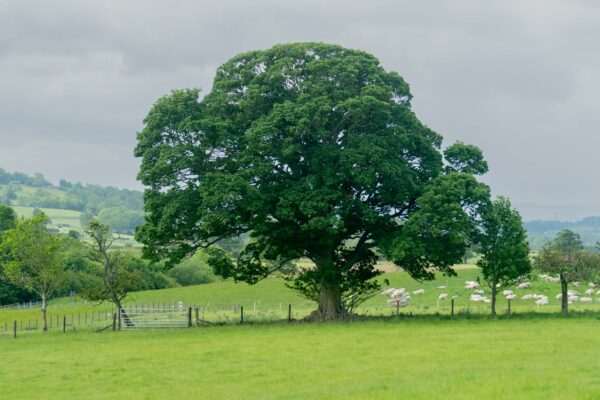
There is increasing interest in the importance of tree and shrub cover to protect vulnerable livestock from changing weather conditions. These have traditionally been termed ‘shelterbelts’, and with very few newly established shelterbelts in recent years, several organisations have attempted to address this. There is a major lack of research data on shelterbelts in the UK and their impact on livestock health and welfare.
There are obvious environmental benefits to providing shrub and tree shelter within lambing fields; however, it is interesting to ponder the potential benefits to perinatal lamb mortality. Speculatively, it makes sense that providing shelter to in-lamb ewes and dams with young lambs at foot results in not only lower mortality but improved growth rates.
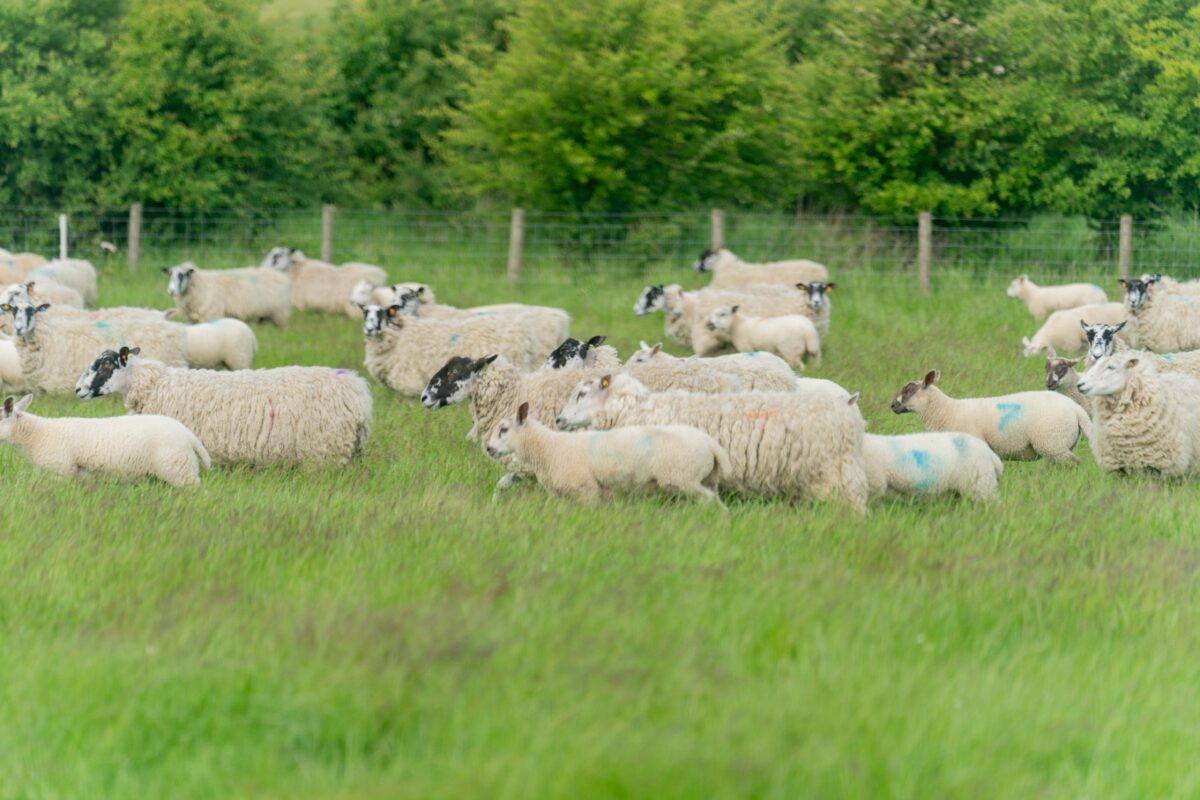
Exposure to adverse weather conditions resulting in excessive heat loss and subsequent mortality is well-documented both in anecdotal information and scientific studies. Providing adequate shelter in the field is believed to decrease the risk for stock markedly, with ewes and lambs able to seek out shelter where needed.
Provision of shelter has been associated with significantly fewer shepherding interventions in a 2021 study. Sheep were provided with additional, artificial shelters, and both breeds included were shown to seek out shelter pre-lambing. Increased shelter utilisation was surmised to contribute to improved lamb survival, welfare and reduction of human intervention cost and workload.
There is a massive gap in UK-based scientific studies looking at the links between adequate shelter, such as shelterbelts or hedgerow/tree cover and the resulting impacts on lamb mortality and growth rates. Lambs can lose 10°C in body heat within 30 minutes after birth, highlighting the critical need for shelter from the environment.
Case studies presented by the Woodland Trust, information notes from AFINET and the Pontbren farmer project have all shown the numerous benefits of supporting shelterbelts on land to provide adequate and suitable shelter. The Pontbren project is particularly interesting as, despite increasing woodland cover from 1.5% to 5% in 2014, they had not lost any agricultural productivity. The Woodland Trust have provided a wealth of information in their practical guidance ‘The role of trees in sheep farming’, produced in 2014.
The Woodland Trust perceives many benefits to tree coverage when farming sheep. Due to the likelihood of planting hedgerows and trees on farms reducing surface water, diseases associated with a poached wet ground, such as lameness, may be reduced. Mastitis is known to be linked with dirty udders, and exposure to chilling winds due to lack of shelter is very likely to play a role in disease development.
The benefits of shelter for flocks are inarguable, with reduction in lamb hypothermia as the leading benefit, a major killer for neonatal lambs. It is also worth considering the benefits of tree and hedgerow or ‘shelterbelt’ planting if surface water presence is reduced and subsequent impacts on ewe health and welfare. The immense biodiversity benefits of the planted shelter, attracting beneficial insects and bird life, amongst others, must also not be forgotten.
Have you prioritised good shelter for your stock?
Further reading:
Pritchard, C.E. et al. (2021). “Spatial behaviour of sheep during the neonatal period: Preliminary study on the influence of shelter,” Animal, 15(7). Available at https://doi.org/10.1016/j.animal.2021.100252.
Mellor, D.J. and Stafford, K.J. (2003). “Animal welfare implications of neonatal mortality and morbidity in farm animals,” The Veterinary Journal, 168(2), pp. 118–133. Available at https://doi.org/10.1016/j.tvjl.2003.08.004.
Davis, J., Whistance, L. and Lewis, D. (2023). “The role and benefits of shelterbelts on farms: A vision for the adoption of ‘optimal shelterbelts,” Royal Forestry Society, 117(2). Available at https://www.agroforestry.ac.uk/sites/www.agroforestry.ac.uk/files/2024-12/Davis%20et%20al%202023.pdf.