Supplementing minerals through alternative sources

AUTHOR: Lahra Harcourt-Brown
BVM&S MRCVS
Large Animal Vet and Consultant
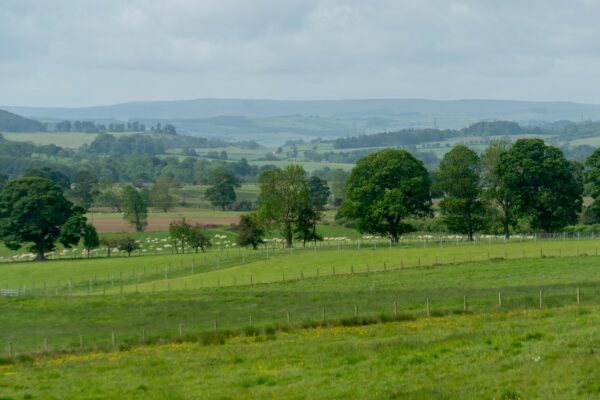
Agroforestry is widely seen as a method of enhancing farm productivity, with roles in soil erosion, water retention, absorption of farm emissions and improving farm biodiversity. Several benefits of planting trees and shrubs and maintaining existing populations are well known, including shelter to reduce mortality rates in lambing flocks. In addition to these benefits, tree fodder may offer enhanced mineral availability to livestock.
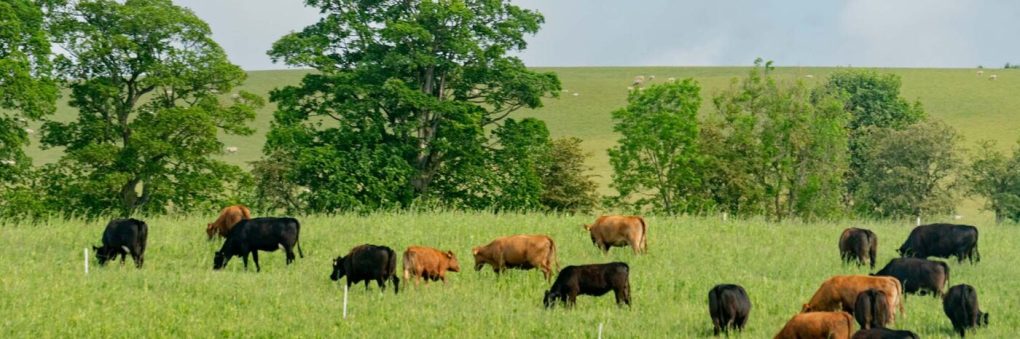
Supplementation of minerals is key to success on farms with deficiency issues and is often required in adjustment phases to changing management ideas. Understanding more about alternative sources of dietary minerals, particularly natural availability in palatable feed sources such as tree fodder, has been investigated by the Woodland Trust. I found this, along with a case study from the Northeast, to be of particular interest.
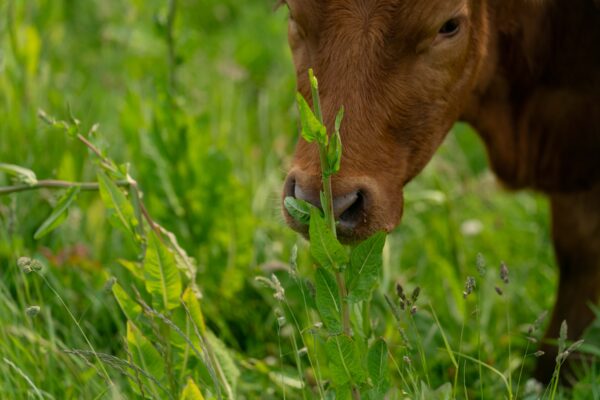
We know little about the benefits of tree species browsing, something keenly observed in sheep populations given free access to tree fodder. It appears that lambs do self-select tree fodder, and there is a thought that this could be in the pursuit of mineral content. The Woodland Trust has investigated three species of tree leaves (Willow, Alder and Oak) to investigate energy and mineral status, with very interesting results.
Key findings include higher zinc concentrations in willow than in alder and oak. Willow also has a higher cobalt concentration. Selenium concentrations were affected by site than by species. Other trace minerals were found within the leaves – this could point to further benefits offered by a varied sward to include tree fodder. High proportions of minerals in dry matter could be key to improving the availability of minerals in the ruminant diet.
Further interactions observed include higher levels of potassium in willow, which would be of concern as it lowers magnesium availability in the rumen. However, magnesium was also found to be in high supply. Calcium is also at a higher level than grass, and as such, it suggests tree fodder may not be suitable for dry cows, where calcium intake is controlled to prevent milk fever. Furthermore, willow is thought to have benefits for reducing intestinal worm burdens, along with this new data to suggest willow is a natural source of cobalt, selenium and zinc.
Tree leaves contain energy and protein, which makes them unlikely to cause detrimental effects to growth rates when included in a varied ruminant diet, according to this example of work.
Reports from January 2025 of a field trial completed in Northeast England found there were numerous variables in lamb growth rates, and it was thus difficult to pinpoint a direct link between the consumption of Willow and blood cobalt concentrations. There is much room for research in this area, with this farm getting involved following observation of lambs self-selecting for willow in the presence of known cobalt deficiency. We look to future results from the Allerton Trust, which is currently exploring the link between willow and cobalt deficiency.
Does your stock practice self-selection of tree fodder? Have you noticed any trends?
Further reading:
The Allerton Project, Livestock. Available at https://www.allertontrust.org.uk/research/livestock/
Kendall, N.R. et al. (2019). Tree leaves as supplementary feed for ruminant livestock. The Woodland Trust. Available at https://www.organicresearchcentre.com/wp-content/uploads/2020/09/13551-Research-briefing_Tree-fodder_FINAL.pdf.
Soil Association. (2022). Evaluating the effect of feeding willow leaves on growth rates in weaned lambs. Innovative Farmers. Available at https://innovativefarmers.org/field-labs/willow-for-lambs-trial/.